Wednesday, 31 August 2016

Examination Technique One

Writing in-role

To achieve the top levels in the exam, you need to respond to the brief in-role. This means pretending that you are pitching for a real job in the media. Using the wording from the brief will help you with this - and remember the original brief will be in the exam paper you are given. Try these sentence starters to help you:

• Firstly, thank you for taking the time to consider my pitch for the launch of …
• I am excited about this opportunity to use my passion for (SELECTED GENRE) and contribute to this unique new venture
• I’d like to tell you about the ways that I will provide independent and informed comment on all that is trending in the (SELECTED GENRE) scene
• After conducting extensive focus groups and market research I have decided to include the following sections and content…
• Like (EXISTING COMPANY), I believe it is important for the (SELECTED PRODUCT) to create opportunities to connect with the Media and I believe that my product will do this by…
• My product will provide opportunities for creative talent from all over the country to be seen and heard. My product will support (name of the company) by…

Controlled Assignment Three - Evaluation guidance

Assignment Three - Evaluation guidance

Image result for evaluationEvaluate your poster advert and marketing campaign production

Word count: 800 words (10 marks)

Optional essay plan
You may find the following useful. However, you do not have to follow it exactly and will be credited for alternative or original responses that are convincing and highly effective.

Introduction (100 words)
  • Introduce your brief and who you worked with (if applicable).
  • Give a brief introduction to your product: what is it about? What other products were you inspired by or did you watch as part of your research? Where would your product be shown? How does your product suit the style and audience of the institution?
Target audience (100 words)
  • Outline your target audience (using detailed audience demographics: gender, age, social class, education or employment etc.)
  • What Psychographic or Youth Facts groups (Armchair Rebels, Free Sprits etc.) do your target audience belong to? Why did you choose these in particular?
Close textual analysis of production (300 words)
  • How does your campaign meet the key conventions of poster campaign for teenagers?
  • Choose three or four key design decisions from your posters and complete a detailed textual analysis justifying your creative decisions and explaining what the camerawork, or mise-en-scene communicate to the audience.
  • Explore the strengths and weaknesses of the key moments you have analysed and how you could have made the production more professional.
Representation (100 words)
  • What representation of young people did you create in your production work? Was it a stereotypically negative representation of teenagers? (E.g. violent, involved in bad behaviour or crime etc.)
  • Did you try to create a certain representation of young people? (E.g. positive, negative, shocking etc.) How would your target audience respond to your representation of young people?
  • Did you create particular representations of any other groups in your production? (Men, women, age, race or ethnicity etc.)
Regulation and control (100 words)
  • How did you make sure your project would be suitable for the target audience? (Mention the ASA or quote from their regulations).
  • How did you use your knowledge of ASA to ensure your product didn’t cause offense or use false advertising? Was there anything you decided to leave out for these reasons?
Overall effectiveness/conclusion (100 words)
  • How effective was your production overall?
  • What were the strengths and weaknesses of your project as a whole?
  • Did you meet your brief?

Mark scheme:
  • Level 6 (9-10 marks)
Image result for evaluationThey evaluate their products making cogent and critical connections between the experience of carrying out the production and all the key concepts. Evaluation responses are communicated using accurate spelling, punctuation and grammar.
KEYWORDS and CONCEPTS to use in your Evaluation:

Genre: hybrid, sub-genre etc.

Representation: of people/places/events; stereotypes, negative/positive representations.

Connotation: of colour, fonts, logos, institutional name and graphic, mise-en-scene, camera shots, etc.

Mise-en-scene: use of costume, lighting, actors, makeup, props, setting, (and what all these tell us about the characters/narrative).

Iconography: how does your poster use the iconography associated with the product (e.g. character types - model/celebrity endorsement?, setting, props etc.)?

Institution: Who produces the product? What expectations will the audience have as a result? How will the product attract a teen (or possibly wider) audience?

Target Audience and demographics: age, gender, social class (and how you know), audience theory (uses and gratifications).

Regulation and Control: ASA, offensive content, protecting young people, false advertising.

Tagline/Slogan: how are the titles and/or taglines used to anchor meaning and help you understand what the product is all about?

Useful phrases to use when analysing or evaluating:
  • This tells the audience...
  • This could signify...
  • A possible interpretation of this is...
  • The audience could infer that...
  • This shows the audience...
  • The objective of this shot was…
  • This suggests to the audience...
  • From this, the audience will understand that...
  • This connotes...
  • This is significant because...
  • This creates...
  • This emphasises...

Controlled Assignment Three - existing product research task

Existing product research

Image result for advertisements perfumeFor your existing product research, you need to complete the following:

Research a minimum of five different poster advertisements for your selected genre of product (aimed at a teenage audience).

For each poster, you need to focus your research and analysis on a particular area:
    Image result for aftershave advert
  • Poster 1: NCIS analysis
  • Poster 2: Camerawork and mise-en-scene analysis
  • Poster 3: Target audience analysis
  • Poster 4: Representation of young people analysis
  • Poster 5: General/combination of the above
Remember: your research is individual

Controlled Assignment Three - Initial Research

Assignment Three - initial tasks

You should now have a good idea about who you working with for Assignment Three and what kind of advertising and marketing campaign you plan to make. 

The first stage of the project is Research and Planning and is worth 15 marks. You'll need to complete the following over the next two weeks:

Research into similar products (annotated screengrabs from existing advertisements and how they are aimed at teenagers)
- Research into your target audience, which must include audience research (interviews, focus groups or questionnaires)
- Clear organisation of project schedule and mise-en-scene: casting, costumes, props, lighting and locations.
- Clear drafting: script, storyboard and shot list.
- Note: Research and planning is entirely individual and no more than 12 pages of research and planning can be submitted.

Initial tasks

Task 1: Start your production log
This will help you keep a record of all the work you have completed. Your first log needs to cover the following:
  1. What your initial thoughts are about the brief: what kind of advertisements do you plan to make to help the promotion of your product?
  2. Who you plan to work with? In terms of model or brand development?
  3. What you hope to achieve in this assignment?
Task 2: Planning your planning
Make a list of all the research and planning work you need to do for your project. Remember: this is individual. Example:
  1. Research existing campaigns to see how they are successful with a potential audience - what is their USP?
  2. Decide on target audience and design audience profile
  3. Design and use audience research questionnaires
  4. Write pitch - outline your ideas for each individual advertisement (remember you have to create three different posters in your campaign to show how you will attract a wider target audience). What size and layout will each advertisement be and why? How does it showcase off your product?
Task 3: Project schedule

Produce a project schedule for the next seven weeks. You need to be organised and make sure you complete every part of the project: Research & planning, filming, editing and evaluation. The Excel spreadsheet template is on the Shared Documents Area in Media Studies > Shared documents.

CA2 - Institutional Information Research

Example Institutional Information (for Analytical Task)

1. Research your film’s production company (i.e Warner Brothers, Paramount etc)
2. Explain how the institution has an impact on the promotion of your film (genre, budget, stars, etc)
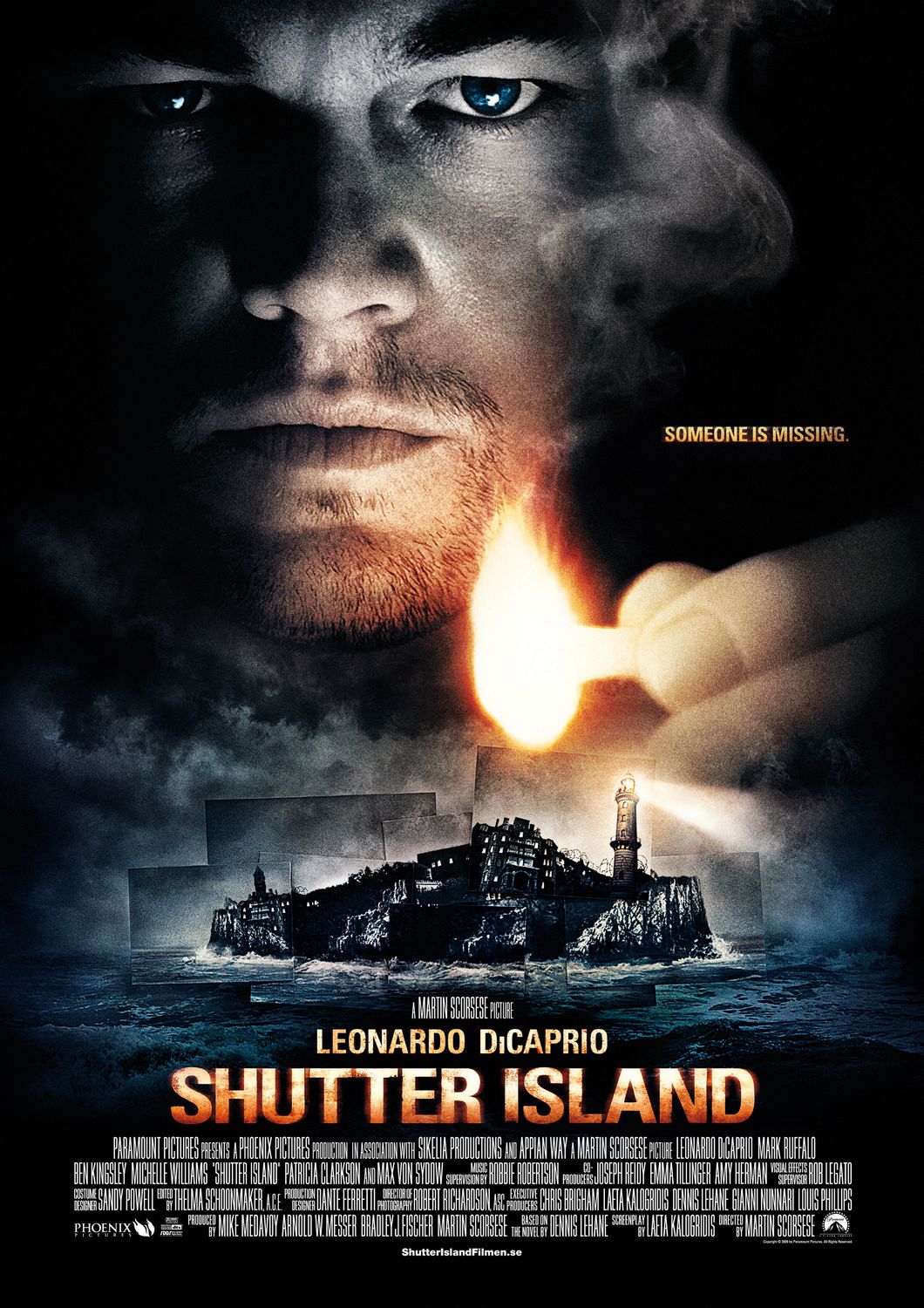
Image result for shutter island
Example paragraphs:
Shutter Island was produced by Paramount Pictures (they also produced The Lovely Bones, Iron Man 2, How To Train Your Dragon, Paranormal Activity). Paramount Pictures are part of a larger conglomerate called the Paramount Motion Pictures Group (World’s oldest film studio and a subsidiary of Viacom). They are a mainstream company appealing to the mass public with popular genres, well-known stars and big budgets.

Paramount Pictures promoted Shutter Island mainly through posters, trailers and the website. However the biggest reason for its success has been linked to its TV advertising campaign. Trailers we shown during the US Super Bowl and the Winter Olympics. The exposure the movie got with its advertising campaign during the popular Winter Olympics broadcasts was, according to The New York Times, a big reason for its success at the box-office in its opening weekend.

Controlled Assignment Two - Analytical Element Advice

Assignment 2: Analytical task guidance


Analytical task: Compare the impact and effectiveness of two promotional methods used by one film.

Word count: 1,000 (Min)-1,200 (Max) words (20 marks)

Optional essay plan
You may find the following useful. However, you do not have to follow it exactly and will be credited for alternative or original responses that are convincing and highly effective.

Introduction (50 words)
  • Introduce the question and how it will be answered.
  • Explain what film you have chosen and briefly describe the poster and trailer. 
  • Provide some institutional background to the film (you will need to research this on imdb.co.uk)

Institutional information/background information (150 words)
  • What companies/films studios created and distributed the film?
  • Who directed/acted in/produced the film? 
  • What genre does your film belong to?

Close textual analysis of film poster (250 words)
  • Analyse the film poster in detail, writing about the key conventions and explaining why they are effective.
  • What is the film’s unique selling point (USP)? 
  • How does the poster make the most of the film’s USP?

Close textual analysis of film trailer(250 words)
  • What institutional information appears in the trailer and when?
  • Choose a few key scenes or ‘rich moments’ from the trailer and write a detailed analysis of why the trailer is effective and what impact it has on the audience.
  • Use the media theories we have learned, e.g. Barthes’s enigma and action codes; Todorov’s equilibrium etc. 
  • Compare the similarities and differences between the trailer and the poster – what remains consistent between the two? What differences can you find – and why are they different?
  • What examples of synergy can you find (links between different media texts)

Representation (250 words)
  • Write a paragraph (or two) discussing the representation of different people, places or groups in the trailer and poster (e.g. representation of women, men, race or ethnicity, a country or place etc.) 

Overall effectiveness (150 words)
  • How effective was the film promotion you have chosen? 
  • Use financial figures from your research (box office takings, opening weekend, box office against original budget etc.) to evaluate how successful the film promotion was.

Personal response/conclusion (100 words)
  • How effective do you feel the film promotion is? Which is more successful: the poster or the trailer – or do they complement one another?


Mark scheme:

Level 6 (17–20 marks)
Candidates produce convincing and effective analyses of media texts. Media terminology is used extensively and effectively. The nature and impact of media representation is explored convincingly. There is a convincing and clear understanding and appreciation of institutional aspects of media production. Responses, including the explanation, are cogent and well structured with precise and accurate use of language and arguments clearly supported by evidence.

Controlled Assignment Two - Practical Element Advice

Practical Element - Assignment Two: Checklist Update

1) Research and planning: find five film posters and five trailers for five different films and post them to your blog. Write an analysis to go with each one outlining the genre of the film, the key conventions of the poster/trailer and any interesting additional information such as the representation of people or places in the poster/trailer.

2) Brainstorm possible film ideas for your original film idea. Plan the following:
  • Genre
  • Title
  • Narrative
  • Characters/actors (advise not using major stars)

3) Write a film pitch for your original film idea.

Film pitch guidance
You need to create a sales pitch for an imaginary film of approximately 150 words. The pitch should be no longer than 150 words and begin with a ‘log line’. 

The pitch will include:
  • A ‘log line’ (a one sentence summary of the film's narrative)
  • brief reference to your film's genre
  • brief reference to at least one similar film
  • brief reference to the target audience for your film
  • indication of main characters
  • brief summary of narrative (what happens in the story)


Websites to help you:
scripthollywood: Hollywood script writing and film pitching 
BBC Writer’s Room: guidance for planning and writing creatively for TV and film

4) Plan your photoshoot for your film poster:
  • Who will be in it?
  • What location will you use?
  • What costume and make-up is required?
  • What type of shots are you planning?

5) Carry out your photoshoot, capture the images then design your film poster using Photoshop.

6) Plan your storyboard for your film trailer:
  • Camera shots and transitions (remember: plenty of close-ups and fast-paced editing)
  • The on-screen text you will include (e.g. release date)
  • How your main characters will be introduced
  • Script any dialogue in the trailer 
  • The different locations your trailer will feature

7) Draw your storyboard on the official AQA storyboard sheets

8) Choose one of the five films you researched to be the film you will analyse in your 1,000 essay. Make sure there is enough for you to analyse.

9) Research the institutions behind the film (film studio, distributor etc.) and post what you find on your blog.

10) Analyse the representation of people, places, events or ideas in your chosen film and post your analysis on your blog.